

Bad habits rarely begin as major problems. Most start as small actions that feel harmless, comforting, or convenient. Over time, these repeated behaviors can shape your health, focus, confidence, and daily routine. Break Bad Habits and Build Good Ones, quit smoking, reduce screen time, stop overeating, or simply build better habits, the struggle is very real.
The good news is that habits are not permanent. They are learned behaviors, and learned behaviors can be changed. Once you understand how habits are formed, why bad habits are hard to break, and how to replace them with good habits, real change becomes possible. You do not need to become perfect overnight. You simply need to make small, better choices consistently.
The Science Behind Habit Formation
To understand Break Bad Habits and Build Good Ones, it helps to first understand how habits are formed. Habits exist because the brain wants to save time and energy. Instead of making every decision from scratch, your brain turns repeated actions into automatic patterns.
This process is often explained through the habit loop:
- Cue
- Routine
- Reward
A cue is the trigger that starts the behavior. It could be stress, boredom, a certain place, a time of day, or even a feeling. The routine is the behavior itself, such as scrolling social media, eating junk food, or biting your nails. The reward is the benefit your brain receives, such as pleasure, comfort, distraction, or relief.
Over time, this loop becomes stronger. The brain begins to expect the reward as soon as the cue appears. This is one reason habits feel automatic. In simple terms, the brain learns that a certain trigger leads to a certain action and a familiar result.
From a psychological point of view, habits also become part of identity. If someone repeats the same action often, they may start believing it defines them. A person may think, “I am lazy” or “I have no discipline,” when in truth they are simply repeating a pattern. This is important, because patterns can be changed.
Why Bad Habits Are So Hard to Resist
If bad habits hurt us, why do we keep doing them? The answer lies in the short-term reward. Most bad habits offer instant gratification. They feel good now, even if they create problems later.
For example, healthy habits like exercise, reading, or saving money often take time to show results. But unhealthy habits such as junk food, overspending, smoking, or endless scrolling bring quick pleasure or relief. The brain naturally pays more attention to immediate rewards than distant consequences.
Another reason people struggle is stress. Many bad habits work as coping mechanisms. When people feel anxious, lonely, tired, or overwhelmed, they often turn to familiar behaviors that offer comfort. This is why stress eating, emotional shopping, social media addiction, and procrastination are so common.
Social influence also matters. People are strongly shaped by their environment. If your friends, family, or workplace normalize unhealthy habits, those behaviors can feel acceptable and normal. In many cases, bad habits are not only personal. They are social.
Convenience is another major factor. Bad habits are often easy. Fast food is easier than cooking. Watching short videos is easier than doing focused work. Staying in bed is easier than exercising. Because they require less effort, bad habits can quickly become the default option.
Why Breaking Bad Habits Feels So Difficult
Many people ask, why is it so hard to Break Bad Habits and Build Good Ones? The answer is that habits are deeply connected to repetition, emotion, and routine.
The first challenge is repetition. When a behavior is repeated often, it becomes familiar. Familiar actions feel safe, even when they are harmful. That is why people often go back to old habits during stress or uncertainty.
The second challenge is withdrawal. In some cases, such as nicotine, alcohol, or sugar, there may be physical withdrawal symptoms. In other cases, there may be emotional withdrawal. For example, someone trying to reduce social media use may feel bored, restless, or disconnected at first.
There is also psychological resistance. Many people try to Break Bad Habits and Build Good Ones without replacing the benefit it gave them. If a habit helped you deal with boredom, stress, or sadness, stopping it may leave an emotional gap. Unless you fill that gap with something healthier, the old habit can return.
Another reason breaking habits is hard is that people rely too much on motivation. Motivation changes from day to day. Real habit change happens through systems, structure, and consistency.
How to Break Bad Habits and Build Good Ones
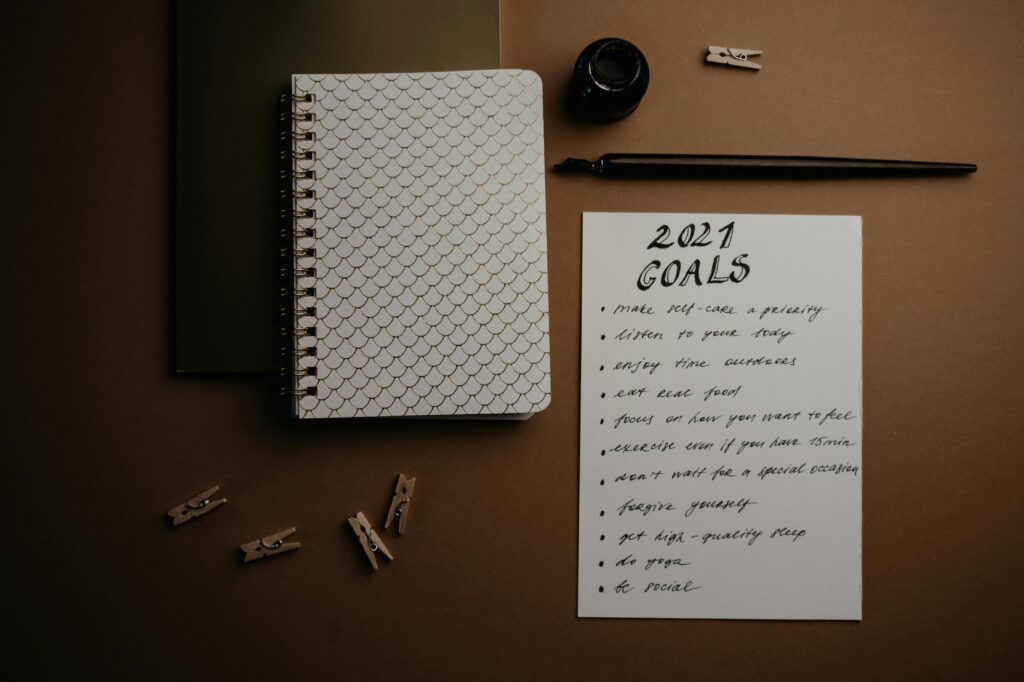
If you want to break a Break Bad Habits and Build Good Ones, the best strategy is not just to stop. It is to replace. Your brain still wants a reward, so you need a better routine that provides a similar benefit.
Start by identifying your trigger. Ask yourself:
- What causes this habit?
- What feeling am I trying to escape or satisfy?
- What reward am I getting from it?
- What healthier action can give me a similar reward?
For example, if you eat unhealthy snacks when stressed, the real need may be comfort, distraction, or rest. You may replace that routine with a short walk, tea, journaling, breathing exercises, or a healthy snack.
Make your new habit small. This is one of the best habit change tips. Many people fail because they try to change everything at once. If you want to exercise, start with ten minutes. If you want to read more, begin with five pages. Small habits are easier to repeat, and repetition creates long-term change.
Use your environment to support good habits. Keep bad habit triggers out of sight and make positive habits easy to do. Put your phone away when working. Keep healthy food visible. Prepare workout clothes the night before. The easier a good habit becomes, the more likely you are to stick with it.
Another powerful method is habit stacking. Attach a new habit to something you already do every day. For example, after brushing your teeth, write one line in your journal. After morning coffee, read two pages of a book. This makes the new habit easier to remember.
Track progress, but do not aim for perfection. Missing one day does not mean failure. What matters is getting back on track quickly. A simple rule is: never miss twice.
How Gratitude Helps You Break Bad Habits
Gratitude is often overlooked in personal growth, but it can be a powerful tool for self-discipline, mental health, and Break Bad Habits and Build Good Ones. Many bad habits are fueled by stress, dissatisfaction, frustration, or emotional emptiness. Gratitude helps shift your attention toward what is already good in your life.

When you practice gratitude daily, you create a calmer and more stable mindset. This can reduce impulsive decisions and help you make better choices. Gratitude also supports emotional resilience, which is essential when trying to stop old habits.
It also helps strengthen good habits. When you notice small wins, you train your brain to value progress. Instead of focusing only on how far you still have to go, you begin appreciating what you are already doing right.
A simple gratitude routine can help:
- Write down three things you are grateful for each day
- Notice one good habit you practiced today
- Choose one positive action to repeat tomorrow
This small practice builds self-awareness and creates a more encouraging mindset. Lasting change is easier when it comes from self-respect rather than self-criticism.
Final Thoughts
If you are struggling with bad habits, remember this: change is possible. Learning how to stop bad habits starts with understanding the habit loop, recognizing your triggers, and replacing old routines with healthier ones. Bad habits are powerful because they offer quick rewards, emotional comfort, and familiar patterns. But good habits can become just as strong through repetition, simplicity, and patience.
The key is to start small, stay consistent, and give yourself grace. You do not need to change your whole life in one day. You just need to make one better choice, then another, and keep going.
When you combine practical strategies with gratitude, you create a strong foundation for real and lasting transformation. That is how you do not just break bad habits temporarily. That is how you break them for good.