

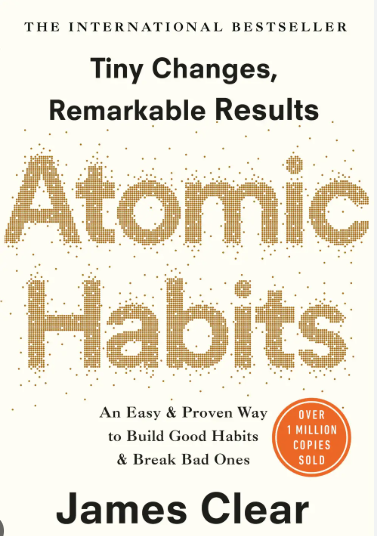
1. Atomic Habits by James Clear
What is this book about?
Atomic Habits break down habit building into a clear, practical system built on four simple laws—make it obvious, attractive, easy, and satisfying. James Clear shows how tiny daily improvements compound into major results, using examples, research, and actionable tactics like habit stacking and environment design to create lasting behavioral change and momentum toward goals.
Why do I suggest reading ?
Read this book for a step‑by‑step framework that makes personal development and goal achievement realistic: it emphasizes consistency, small wins, and identity‑based habits that reduce reliance on fleeting motivation and build long‑term discipline. This is the best book for the purpose of habit building for beginners.
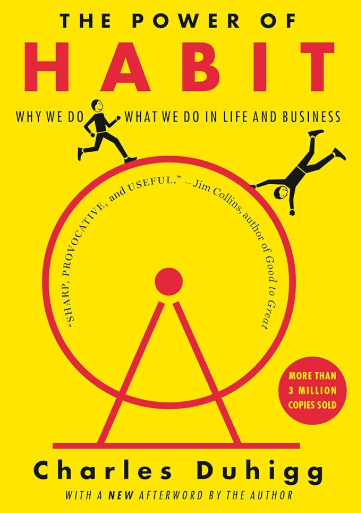
2. The Power of Habit by Charles Duhigg
What is this book about?
The Power of Habit explains the habit building loop—cue, routine, reward—and how habits shape individuals, companies, and societies. Charles Duhigg uses storytelling and scientific findings to reveal how recognizing and altering components of the loop enables meaningful behavioral change and productivity improvements. The book connects habit science to real‑world outcomes and organizational success.
Why do I suggest reading ?
I recommend it for anyone wanting a deep understanding of why habits exist and how to design new routines; it’s especially useful for improving consistency, redesigning environments, and achieving measurable progress in personal and professional life.
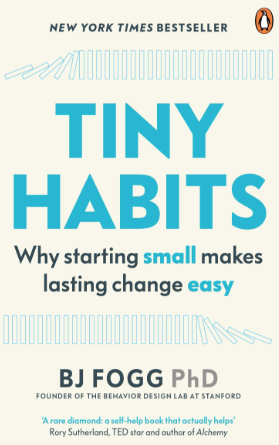
3. Tiny Habits by BJ Fogg
What is this book about?
Tiny Habits presents a research‑backed method for building habits by starting extremely small, pairing actions with existing routines, and celebrating progress immediately. BJ Fogg’s model emphasizes rapid wins and scalable growth through repetition and context cues, grounded in behavioral science and practical experiments.
Why do I suggest reading ?
This book is ideal if you struggle with willpower for habit building: it teaches how to create sustainable habits with minimal friction, leveraging small wins and momentum to support long‑term self‑improvement and discipline.
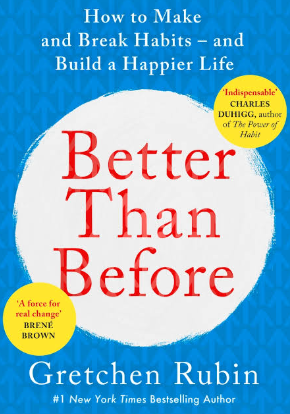
4. Better Than Before by Gretchen Rubin
What is this book about?
Better Than Before explores how personality and temperament affect habit building and offers tailored strategies for different “habit tendencies”. Gretchen Rubin mixes research, anecdotes, and practical techniques for scheduling, accountability, and habit tracking to help readers craft personalized routines.
Why do I suggest reading ?
I suggest this book because it helps you match habit building tactics to your temperament, improving consistency and making behavioral change more effective—especially useful for sustained personal development and goal achievement.
5. The Compound Effect by Darren Hardy
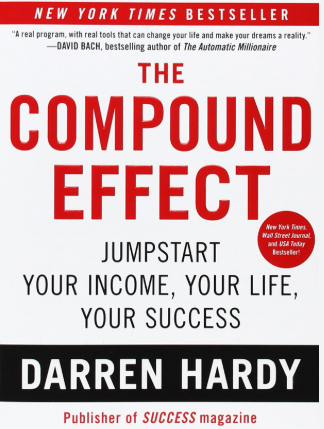
What is this book about?
The Compound Effect shows how small, consistent choices accumulate into significant life outcomes over time. Darren Hardy emphasizes daily discipline, tracking, and tiny improvements that generate exponential gains through repetition and momentum rather than quick fixes. The book focuses on practical habits for financial, health, and career growth.
Why do I suggest reading ?
Read this to understand how discipline and steady habit formation produce real results; it’s motivating for goal‑oriented readers who want a simple approach to long‑term success and measurable self‑improvement.
6. Willpower: Rediscovering the Greatest Human Strength by Roy F. Baumeister & John Tierney
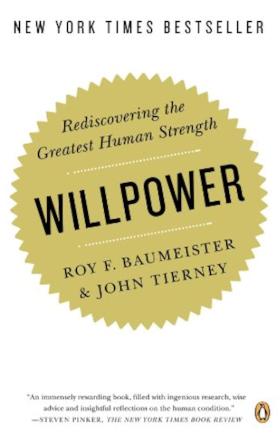
What is this book about?
Willpower combines psychological research and real‑life examples to explain how self‑control works, why decision fatigue undermines motivation, and how habits conserve willpower. Baumeister and Tierney outline strategies to protect willpower—like automating decisions and structuring environments—to support behavior change and better choices.
Why do I suggest reading ?
I recommend it for anyone who wants scientific insight into how discipline is depleted and how habit formation can make consistent progress automatic, improving goal achievement and long‑term behavioral change.
7. The One Thing by Gary Keller & Jay Papasan
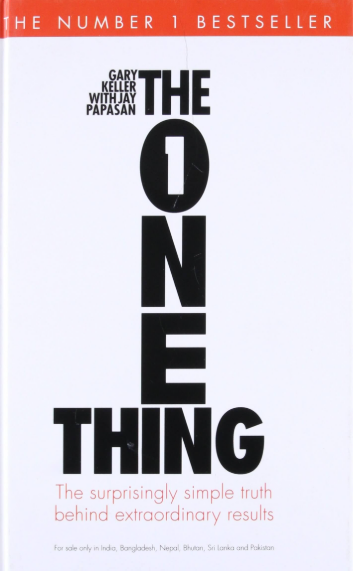
What is this book about?
The One Thing advocates focusing on the single most important habit or priority that drives disproportionate results. Keller and Papasan provide methods for prioritization, time blocking, and minimizing distractions so that high‑impact routines become consistent and protected. The book centers on clarity, focus, and sustained productivity.
Why do I suggest reading ?
This is essential if you feel scattered—use it to identify the key habit that moves the needle, then build discipline and momentum around that one habit for greater personal development and goal achievement.
8. Mini Habits: Smaller Habits, Bigger Results by Stephen Guise
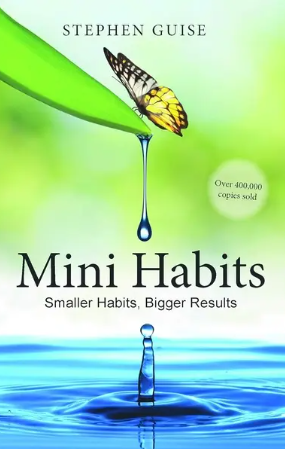
What is this book about?
Mini Habits promote ultra‑small, nearly effortless actions (e.g., one push‑up, one sentence) to overcome resistance and ensure daily consistency. Stephen Guise argues that making goals ridiculously small removes internal friction and produces steady momentum through repetition and habit stacking.
Why do I suggest reading ?
I suggest it for beginners and procrastinators: mini‑habits provide a practical path to build discipline and small wins, turning tiny, consistent actions into meaningful long‑term behavioral change.
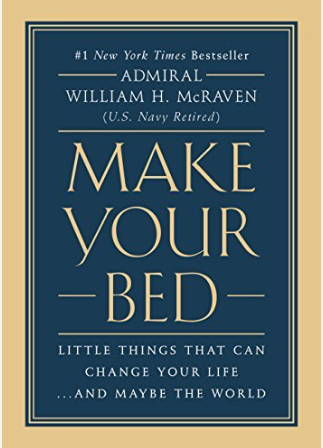
9. Make Your Bed by William H. McRaven
What is this book about?
Make Your Bed distills leadership lessons and the power of small rituals into short, actionable chapters based on Admiral McRaven’s military experiences. The book shows how simple daily habits—like making your bed—build discipline, resilience, and a mindset for tackling bigger goals.
Why do I suggest reading ?
I suggest this book as a motivational primer: its straightforward lessons demonstrate how consistent, small habits create momentum and character, supporting long‑term personal development and goal achievement through simple daily discipline.